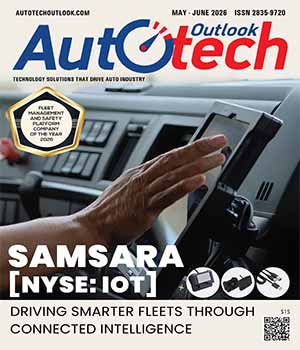
Fleet operations are being reshaped by how effectively vehicles perform within active conditions rather than how well plans are defined in advance. Movement depends on timing, driver behavior and road variability, where even small delays or unsafe actions disrupt execution across routes. Samsara [NYSE: IOT] bridges this shift by bringing vehicles, drivers and workflows into a unified cloud-based operational system that captures real-time inputs during operations, enabling teams to respond as conditions change instead of relying on fixed plans.
Used across transportation, construction and utilities operations, the platform brings telematics, video systems and cloud software into a single operating layer for fleet operators, logistics providers and field service organizations managing mobile assets. Dispatch teams can trigger alerts, adjust routes and assign tasks within the same workflow, ensuring responses are executed as events occur without relying on separate systems.
With this structure in place, fleet activity is monitored continuously rather than reconstructed after completion. Vehicle location, driver behavior and route progress update in real time, allowing teams to reroute deliveries, respond to delays and manage tasks within one system. Each input leads to a direct action, ensuring execution reflects current road conditions, driver status and asset availability throughout live operations.
Safety as the Foundation of Fleet Intelligence
Safety is the first layer through which operational decisions are shaped. Samsara captures driver behavior through AI-powered dashcams that detect harsh braking, distraction and unsafe following distances during active journeys. These detections immediately trigger in-cab alerts, prompting drivers to correct actions in real time while simultaneously logging events within the system, ensuring each incident feeds directly into operational workflows managed through its platform.
Understanding those events requires more than detection alone. By linking video footage to telematics data, each alert includes speed, location and vehicle context, allowing managers to review incidents with precision. It enables managers to validate events, initiate coaching sessions and document actions within the same workflow, turning each safety trigger into a structured intervention that connects driver behavior directly with operational decision making.
Safety functions not as a standalone module but as the entry layer through which operational decisions are continuously corrected in real time. As drivers respond to alerts and managers intervene through workflows, unsafe patterns are reduced while route execution becomes more predictable. Over time, this interaction between detection, response and workflow execution stabilizes performance across fleets operating under varying road and workload conditions.
A clear example of this approach in action can be seen in how DHL strengthened its fleet operations using Samsara's platform. Managing a large and complex delivery network, the organization faced challenges maintaining consistent visibility into driver behavior, vehicle usage and route execution, as fragmented data limited real-time responses across operations.
Samsara addressed this by bringing telematics, AI-powered video and real-time tracking into a unified platform that connected field activity with operational oversight. Following deployment across 20 sites, its platform began triggering measurable changes in behavior and execution. DHL Express recorded a 65 percent decrease in harsh driving incidents, a 26 percent reduction in accidents and a 49 percent drop in accident-related costs. DHL Supply Chain reduced speeding and mobile usage by 50 percent while lowering driver turnover by the same margin, showing how real-time alerts and structured workflows directly influence both safety outcomes and operational stability.
From Connected Data to Operational Execution
Once safety is grounded in real-time awareness, the same system begins to influence broader operational activity. Data from vehicles, routes and driver interactions flows continuously, allowing organizations to respond as conditions evolve. Emerging patterns are surfaced early, while built-in workflows guide responses, ensuring that actions remain consistent even as situations change.
This shift becomes more evident in how disruptions are handled. Instead of relying on fixed schedules, its platform tracks engine hours, mileage and fault codes to identify when maintenance is required. Service tasks are then scheduled within workflows before breakdowns occur, reducing downtime. At the same time, route plans are recalculated based on live traffic inputs, ensuring deliveries continue without interruption even as external conditions change.
The connection between planning and execution becomes more direct as these capabilities take hold. Drivers interact through mobile applications that deliver routes, capture inspections and enable communication in a single interface. The company ensures that each driver input feeds back into the system, allowing dispatch teams to update assignments, verify task completion and maintain operational flow without switching between disconnected tools.
Scaling Fleet Operations through Unified Platforms
As operations expand, Samsara extends the same system across vehicles, equipment and worksites without introducing separate tools. Its platform applies a unified data model where inputs from different asset types follow the same structure, enabling operators to monitor fleets, track equipment usage and oversee site activity within one environment.
Maintaining performance across that growth depends on standardizing how data is captured and used. The platform enforces consistent data inputs across locations, ensuring that alerts, workflows and reporting follow the same logic regardless of fleet size or geography. This allows operators to deploy the same safety triggers, maintenance workflows and routing adjustments across multiple sites without rebuilding processes for each location.
With that foundation in place, improvements become easier to sustain over time. Safer driving patterns contribute to smoother operations, while better routing reduces inefficiencies. Maintenance strategies extend asset life and access to accurate information supports faster resolution of operational events. These changes reflect a system in which data remains closely tied to operational performance.
Over time, information captured during operations contributes to a continuous feedback cycle that strengthens performance. Insights inform future decisions, enabling organizations to refine strategies while maintaining alignment with real-world conditions. Samsara enables this feedback loop within its platform, ensuring that each completed action contributes to refining how fleets operate under changing conditions.
By integrating safety detection, real-time decision workflows and operational data into a single system, Samsara delivers a fleet management model where execution defines performance. Each signal moves directly into a defined workflow, allowing teams to intervene, adjust routes, initiate coaching and schedule maintenance without delay or system gap. This integrated model brings safety and operations into a single execution layer, where every decision is acted on as it occurs, recognizing Samsara as the top Fleet Management and Safety Platform.



![Samsara [NYSE: IOT]](/company_logos/2-x3j03.jpg "Samsara [NYSE: IOT]")